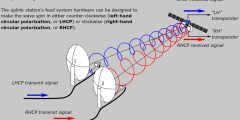
The Difference Between Horizontal and Vertical Polarization in Satellite Channels
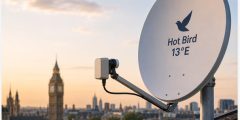
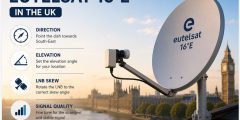
How to Set Up a Satellite Dish for Hot Bird 13°E in the UK: Direction, Elevation and LNB Guide

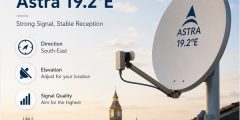
How to Properly Align a Satellite Dish to Astra 28.2°E in the UK: Complete Guide to Dish Direction, Elevation and Strong Signal Reception
Accessing your favorite television channels depends on more than simply knowing the channel name. Satellite position, transmission parameters, and receiver settings all play an important role in ensuring that a channel can be found and received properly. With broadcasting information changing regularly, keeping your channel list updated has become an essential part of satellite TV use.
This guide has been prepared to make that process easier by bringing the relevant channel information together in a clear and practical format. You will find useful details that can help you identify the correct reception settings and complete the channel installation process without unnecessary complexity.
In the world of satellite airing, the concepts of beams and range are among the most important factors that determine transmission clarity and channel reception. Understanding these two concepts helps users choose the right satellite and properly align their dish to achieve a steady and sharp picture.
First: The Meaning of Beams
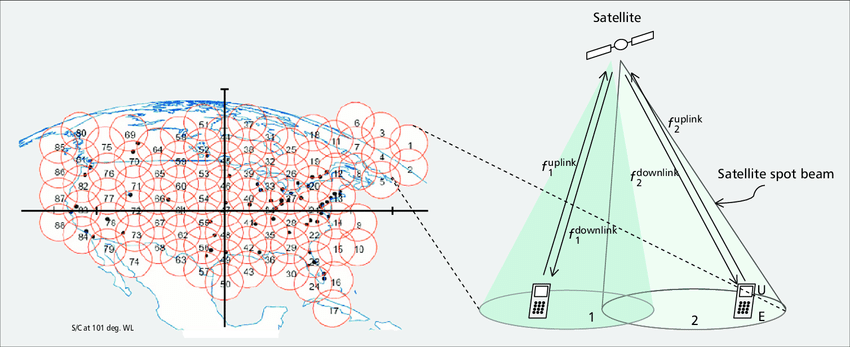
Satellite beams refer to the way a satellite transmits signals to specific regions on Earth. They can be compared to a flashlight that directs light toward a particular area instead of illuminating everything equally.
Each satellite usually has multiple beams, such as:
- A beam covering the Middle East
- A beam covering North Africa
- A beam covering Europe or other regions
Each beam varies in strength and range area depending on its purpose.
Second: The Meaning of Coverage
Coverage refers to the geographical area where a satellite transmission can be received with good clarity. In other words, it is the range over which the transmission is effectively transmitted on Earth.
Coverage varies from one satellite to another:
- Some satellites cover only specific countries
- Others cover entire continents
- Some beams are precisely focused on certain regions
The closer you are to the center of the range area, the stronger and more steady the transmission will be.
Third: The Relationship Between Beams and Coverage
Beams are the mechanism used to define range areas. Each beam creates its own specific “range zone.”
If the beam is strong and focused:
- Coverage is stronger in a specific area
- Signal becomes weaker outside that area
If the beam is wide:
- It covers a larger geographical area
- But the transmission may be weaker compared to focused beams
Fourth: The Impact of Beams and Coverage on Signal Strength
Signal strength received by a satellite dish depends directly on your location within the range area and the type of beam used.
If you are in the center of range:
- The transmission is very strong
- Smaller dishes can be used
- Picture clarity is steady (HD and 4K without interruption)
If you are at the edge of range:
- Signal strength gradually weakens
- A larger dish is required
- Signal interruptions may occur, especially during bad weather
If you are outside the range area:
- The satellite may not be received at all
- Or the transmission may be extremely weak and unstable
Fifth: Why Signal Strength Differs Between Regions
There are several factors that affect transmission strength within beams:
- The satellite’s design and technology
- Transmission power of the satellite
- Distance between the satellite and the region
- Natural obstacles such as mountains or buildings
- Size and accuracy of the receiving dish
Sixth: Importance of Understanding Beams and Coverage
Understanding these concepts helps users to:
- Choose the right satellite for their region
- Determine the correct dish size
- Understand why some channels are stronger or weaker
- Improve transmission positioning and configuration clarity
How to Configure LNB Power Settings
- Access the satellite installation menu and locate the LNB power option in the antenna settings.
- For a standard direct satellite connection, LNB power is normally enabled so the receiver can supply the LNB.
- Incorrect power settings can prevent the LNB from operating properly and may result in signal loss.
- When using shared or specialized distribution systems, follow the equipment manufacturer\’s recommended configuration.