The world of satellite broadcasting is constantly moving, with television networks introducing new channels and modifying their technical transmission details to improve their services.
For viewers, these developments can sometimes create a simple but frustrating problem: a channel may no longer appear in the receiver\\\\\\\\\\\\\\\\\\\\\\\\\\\\\\\’s channel list, or its previous settings may stop providing a stable signal.
Updating the receiver manually is often an effective way to locate the channel again, provided that the correct satellite and broadcasting parameters are used. The process is generally straightforward and can be completed through the receiver\\\\\\\\\\\\\\\\\\\\\\\\\\\\\\\’s installation menu.
In this article, we present the information you need in an organized manner and explain the general steps for receiving the channel. Our focus is on practical guidance that helps readers complete the setup confidently and keep their satellite channel list up to date.
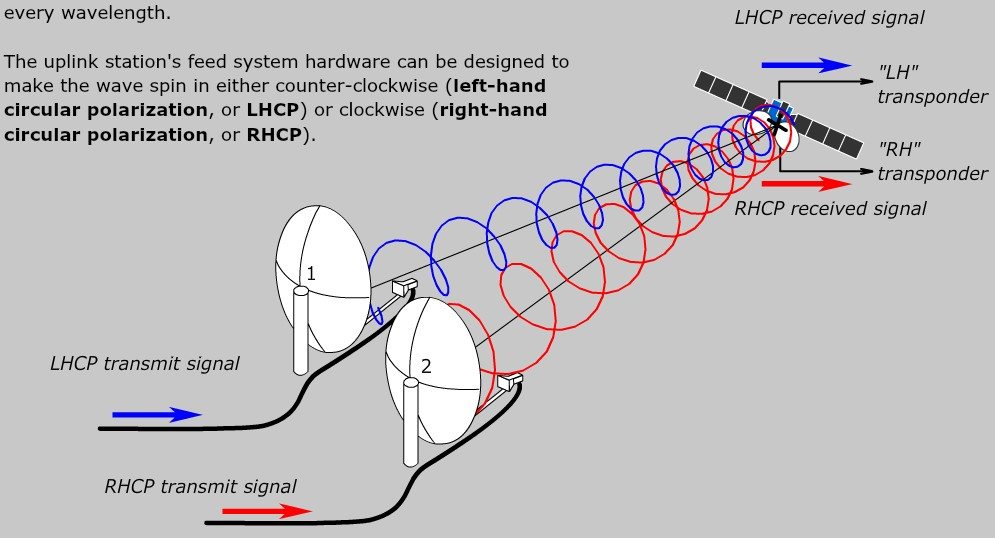
Polarization is one of the most important concepts in satellite airing, as it plays a key role in organizing satellite signals and reducing interference between channels. It divides signals into two main types: Horizontal polarization and Vertical polarization. Understanding the difference between them helps users correctly set up their satellite dish and achieve the best possible reception clarity.
First: What is Polarization in Satellite Broadcasting?
Polarization is the method by which a satellite transmits signals in a specific direction. This direction controls the orientation of electromagnetic waves, helping to increase the number of channels that can be transmitted on the same frequency without interference.
Simply put, polarization is the “direction” of the transmission transmitted from the satellite, and it is used to organize airing and separate channels.
Second: Horizontal Polarization
In horizontal polarization, the transmission is transmitted in a horizontal direction, meaning the electromagnetic waves move left to right or vice versa.
It is usually labeled as “H”.
Features:
- Used by a large number of satellite channels
- Helps increase the number of available frequencies
- Suitable for high-clarity airing
In device settings:
When configuring the satellite device, you select “Horizontal” or “H” to receive channels using this polarization.
Third: Vertical Polarization
In vertical polarization, the transmission is transmitted in a vertical direction, meaning the electromagnetic waves move up and down.
It is usually labeled as “V”.
Features:
- Reduces interference between channels
- Widely used in satellite airing
- Provides steady transmission reception in many cases
In device settings:
You select “Vertical” or “V” to receive channels using this polarization.
Fourth: Difference Between Horizontal and Vertical Polarization
The main difference between them is the direction of the wave:
- Horizontal: horizontal waves (H)
- Vertical: vertical waves (V)
Although this difference may seem simple, it is very important because it:
- Prevents transmission interference between channels
- Allows reuse of the same frequency
- Increases the total number of available channels on a satellite
Fifth: Effect of Polarization on Signal Strength
Polarization does not directly determine transmission strength, but it significantly affects reception clarity if not set correctly.
- If the LNB is properly aligned: the transmission is strong and sharp
- If the setup is incorrect: transmission may weaken or channels may freeze
- Incorrect polarization adjustment may result in losing channels completely
Sixth: Role of the LNB in Polarization
The LNB (Low Noise Block) is responsible for receiving satellite signals and switching between horizontal and vertical polarization.
Modern LNBs usually switch automatically based on the device’s commands, while older types may require more precise manual adjustment.
Seventh: Why Satellites Use Polarization
Polarization is used for several important reasons:
- Increasing the number of channels on the same frequency
- Reducing transmission interference
- Improving satellite transmission efficiency
- Organizing airing more effectively
How to Check Indoor Satellite Cable Connections
- Inspect the cable connection at the wall outlet and receiver for looseness, corrosion, or visible damage.
- Make sure the coaxial connector is properly attached without excessive force or a loose center conductor.
- Check the cable route for sharp bends, crushed sections, or damaged insulation that could affect signal transmission.
- If reception remains unstable, testing the cable with suitable equipment can help identify hidden connection problems.