


How to Properly Align a Satellite Dish to Astra 28.2°E in the UK: Complete Guide to Dish Direction, Elevation and Strong Signal Reception

How to Align a Satellite Dish to Astra 23.5°E in the UK: Get the Best Signal Step by Step
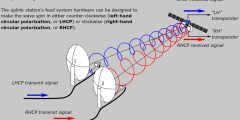
The Difference Between Horizontal and Vertical Polarization in Satellite Channels
Searching for a satellite channel should not be a complicated task, especially when the necessary broadcasting information and installation instructions are available in one place. Whether you have recently purchased a receiver, lost a channel after a frequency change, or simply want to add a new station to your existing channel list, knowing how to perform a proper manual search can make the process much easier. In this article, we focus on the channel in question and provide practical information to help you identify its reception requirements, configure your receiver, perform the appropriate scan, and save the channel correctly for future viewing.
A satellite device is an essential device for accessing tv channels and digital content. Like any electronic device, it requires proper care and support to ensure long-term performance and reliability. Many users experience problems with their receivers not because of manufacturing defects, but due to improper use or lack of support. By following a few practical guidelines, you can significantly extend the lifespan of your satellite device and maintain optimal performance.
Keep the Device Well Ventilated
One of the most important factors in preserving your device is proper ventilation. Electronic components generate heat during operation, and excessive heat can damage internal circuits over time. Always place your device in an open area where air can circulate freely. Avoid placing it inside closed cabinets or stacking other devices on top of it.
Protect from Power Fluctuations
Voltage fluctuations and sudden power cuts can seriously damage electronic devices. Using a surge protector or a voltage stabilizer helps protect your device from electrical spikes. This is especially important in areas where electricity supply is unstable.
Turn Off the Receiver When Not in Use
Leaving the device on for long hours unnecessarily increases wear on internal components. It is a good habit to turn off the device when it is not in use. This not only extends its lifespan but also reduces energy consumption.
Avoid Frequent Restarting
Constantly turning the device on and off within short periods can stress the internal components. Try to avoid unnecessary restarts and allow the device to operate normally unless a restart is needed.
Keep the Device Clean
Dust accumulation can block ventilation openings and cause overheating. Regularly clean the exterior of the device using a soft, dry cloth. Make sure that dust does not build up around vents or ports.
Update the Software Regularly
Manufacturers often release software updates that improve performance and fix bugs. Keeping your device’s software up to date ensures smoother operation and can prevent technical issues that may affect the device over time.
Use High-Quality Accessories
Using low-clarity cables, connectors, or power adapters can negatively impact your device. Always use reliable and supported accessories to ensure steady performance and reduce the risk of damage.
Avoid Overloading USB Ports
If your device supports external storage devices, avoid connecting too many devices at once or using incompatible drives. Overloading ports can cause system instability or hardware damage.
Place the Receiver in a Safe Location
Keep the device away from moisture, direct sunlight, and extreme temperatures. Exposure to such conditions can damage internal components and shorten the device’s lifespan.
Handle with Care
Avoid dropping the device or exposing it to physical shocks. Internal components are sensitive, and even minor impacts can lead to hidden damage that affects performance later.
Why You Should Regularly Update the Transponder List
- Satellite operators can change frequencies, symbol rates, polarization, and other transmission parameters.
- An updated transponder list improves the chances of finding recently launched or relocated channels.
- Removing obsolete frequencies can also make manual and automatic channel searches more efficient.
- Regular updates help keep the receiver\’s satellite database aligned with current broadcasting information.