



Finding the right television channel can sometimes be difficult when satellite frequencies are changed or broadcasting parameters are updated. Instead of searching through different sources, viewers can use a clear guide that explains the important details and shows them how to access the channel through their satellite receiver.
This article brings together the essential information you need, including satellite reception details and the steps for adding the channel to your receiver. We also aim to make the instructions easy to understand so that you can complete the setup without unnecessary technical complications.
With the rapid advancement of satellite airing technology, picture clarity has become one of the most important factors users consider when choosing a satellite device.
It is no longer just about accessing standard channels; there is now a growing demand for devices that support HD and 4K definition, as they provide sharper images and a more immersive viewing experience. Choosing the right device requires understanding the key types available and the features that ensure optimal performance.
In this article, we will explore some of the best types of modern satellite receivers and highlight their main features, along with important factors to consider before making a purchase.
Key Features of Modern Satellite Receivers
Before looking at specific types, it is essential to understand the main characteristics that make a device suitable for HD and 4K viewing.
First, the device must support 4K Ultra HD definition, which allows for extremely detailed images with a definition of up to 2160p. This is especially important for users who own modern televisions that can display ultra-high-definition content.
Second, support for H.265 (HEVC) reduction technology is crucial. This technology reduces bandwidth usage while maintaining high picture clarity, making it ideal for modern airing standards.
Third, compatibility with DVB-S2 or DVB-S2X is necessary, as these are the latest satellite airing standards and provide better transmission efficiency and improved channel reception.
Additionally, having internet connectivity through Wi-Fi or LAN is a major advantage. It allows users to access online services such as video streaming platforms and IPTV, expanding amusement options beyond traditional satellite channels.
Other useful features include HDMI ports for high-clarity video output and PVR (Personal Video Recording) capabilities, which allow users to record programs and watch them later.
Popular Types of Satellite Receivers
One of the most widely used categories is StarSat 4K receivers, which are known for their ease of use and reliable performance. These devices typically support 4K definition, offer large channel storage capacity, and include internet connectivity options. They are considered a solid choice for average users who want a balance between performance and affordability.
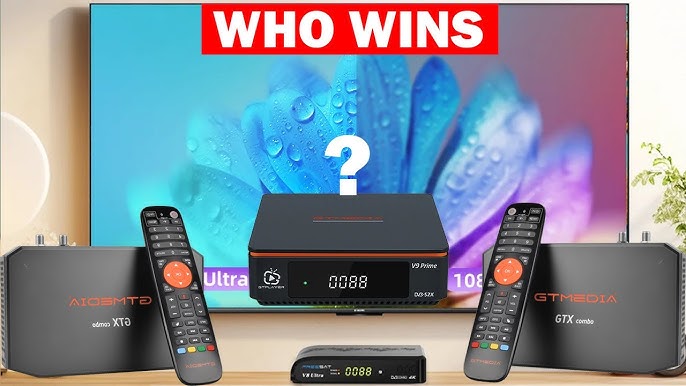
Another popular option is GTMedia receivers, which are well known for offering excellent value for money. These devices support 4K definition and modern airing standards while remaining affordable. They are especially suitable for users who want good performance without spending too much.
For more advanced users, GigaBlue receivers are often considered a premium choice. These devices come with powerful processors, fast navigation, and advanced customization options. They may support multiple tuners, allowing users to watch and record different channels simultaneously. This category is ideal for professionals or enthusiasts who want maximum control and top-tier performance.
There are also Icone 4K receivers, which combine satellite reception with internet-based services. These devices often run on advanced operating systems such as Android or Linux, allowing users to setup applications and access a wide range of online content. They are a great option for those who want an all-in-one amusement system.
Another versatile category is Combo 4K receivers, which support multiple types of airing, including satellite, terrestrial, and cable signals. These devices are designed to provide maximum flexibility, making them suitable for users who want a single device that can handle different transmission sources.
How to Choose the Right Receiver
Selecting the best satellite device depends largely on the user’s needs and experience level.
For beginners, it is advisable to choose a simple and user-friendly device that offers steady performance without requiring complex setup. Receivers in the StarSat category are often a good starting point.
For users who are looking for affordability, GTMedia devices provide a strong balance between cost and performance, making them a practical choice.
Advanced users or professionals may prefer high-end receivers like GigaBlue, which offer greater customization, faster processing, and more advanced features.
For those who want a combination of satellite channels and internet-based amusement, devices like Icone or Combo receivers are ideal, as they provide access to both traditional airing and online services.